
Authentic Spices From the Heart of India
We strive to provide the freshest and highest-quality spices that not only delight your taste buds but also contribute to a healthier and sustainable society and environment for everyone in the value chain.
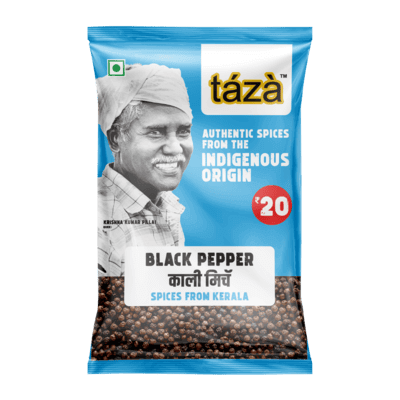
Black Pepper from Kerala
The “Black Gold” of India
The Malabar variety of black pepper from Kerala is a highly sought-after spice, adding flavor, aroma, and nutrition to various dishes. Its unique combination of flavor and health benefits makes it a staple in many Indian and international cuisines.
Origin
Kerala, known as the “Spice Garden of India,” is renowned for its high-quality black pepper, particularly the Malabar variety. This pepper is harvested from the Malabar Coast region and is prized for its intense aroma and sharp flavor.
Crop Cycle
Planting: May-June, with the onset of the southwest monsoon.
Harvesting: November to January in the plains, and crop cycle : 6-8 months after flowering.
Ideal Growing Conditions
- Humid tropics with high rainfall and humidity.
- Tolerates temperatures between 10 to 40 degree Celsius.
- Well-distributed annual rainfall of 1250 mm to 2500 mm
Nutritional Benefits
- Rich in manganese, potassium, iron, dietary fiber, and vitamins C and K.
- High in anti oxidants, supporting overall health and well-being.
- Contains Anti cancerous properties and good for brain health.
Uses
- Black pepper is a versatile spice used in a wide range of cuisines, from savory dishes to desserts and beverages, enhancing culinary experience worldwide wide.
- Black pepper is used in Ayurvedic medicine for potential health benefits, including aiding digestion and boosting metabolism.
- It is widely used as a preservative in meat packing, canning, pickling, and baking.
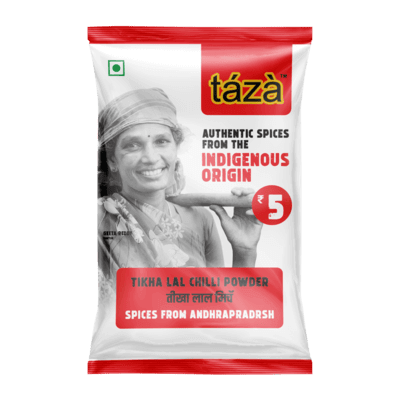
Red Chillies from Andhra
The “Guntur Mirchi” of India
Andhra Pradesh, particularly the Guntur region, is renowned for its vibrant red chillies. The Guntur chillies are famous for their rich red colour, hot flavour, and thick skin.
Origin
The red chillies from Andhra Pradesh are a staple ingredient in many cuisines, adding flavour, heat, and nutrition to various dishes. Their unique combination of flavour and health benefits makes them a sought-after spice in many parts of the world.
Crop Cycle
Sowing: July-August and October-November
Harvesting: December to May
Crop Cycle: Approximately 200 days
Ideal Growing Conditions
The red chillies are grown in the fertile lands of Andhra Pradesh, where the climate and soil conditions are ideal for their cultivation with optimum sunlight and moderate rain.
Nutritional Benefits
Boosts Metabolism: Speeds up the body’s metabolism, aiding in weight loss
Powerful Antioxidant: Supporting immune function and wound healing
Immune System Support: Rich in vitamin C, preventing chronic illnesses and unblocking arteries
Essential Nutrients: Contains copper, vitamin K1, vitamin B6, and vitamin A in small quantities, supporting strong bones, healthy neurons, and overall health.
Uses
Adds flavor and heat to various dishes
Used as a spice in many Indian and international cuisines
Creates mouth-smacking gastronomical experiences in pickles and other dishes
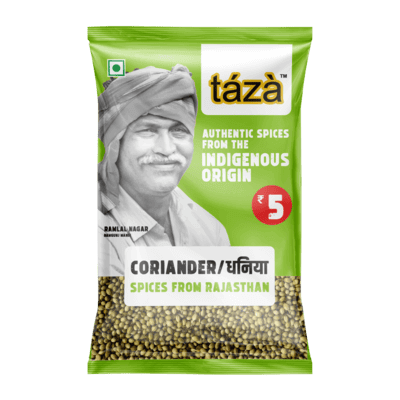
Hadoti Coriander
King of Spices from Rajasthan
Sourced from the historic Hadoti region in South Rajasthan and North Madhya Pradesh, our coriander is renowned for its unparalleled flavor and aroma.
Origin
Bundi, the ancient capital of Hadoti, is the epicenter of coriander production. Asia’s Largest Mandi: Kota, a major city in Hadoti, boasts Asia’s biggest agricultural market.
Crop Cycle
Planting Season: Oct-Dec.
Harvesting Season: Feb-April.
Crop Cycle: 120 days.
Ideal Growing Conditions
Grows in cool dry and frost – free climate, with optimal temperatures ranging from 20-25 degrees celsius.
Nutritional Benefits
Lowers blood sugar levels and fights infections.
- Rich in antioxidants, vitamins K, and other minerals.
- Coriander seeds are high in vitamin K, supporting bone health and preventing osteoporosis and blood clots.
- Aids digestion and relieves stress.
- Anti-inflammatory properties.
Uses
Whole coriander seeds are commonly used in Indian and Middle Eastern cooking.
- Ground coriander is a staple spice in many curries and stews.
- Coriander seeds are used to make tea, which aids digestion.
Roasted coriander seeds add flavor to salads, soups, and sauces.
- Coriander seeds are used in traditional Indian medicine, Ayurveda and to make medicinal teas.
Sourced Directly from Farmers
Delivered to Your Kitchen
Since over 40 years, the Taza family has been working tirelessly to bring the finest quality spices from our farms to your table. When you choose Taza, you are contributing to a movement that celebrates the richness of Indian spices, the resilience of our farmers, and the power of community and the environment that sustains us.
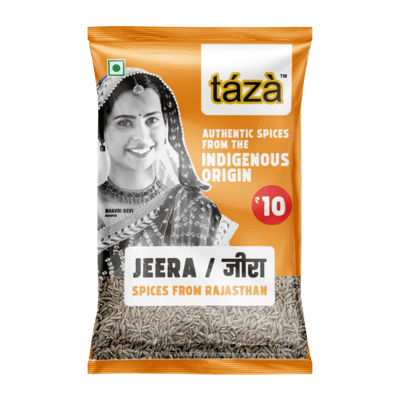
Marwar Jeera
From Rajasthan Where Tradition Meets Taste
Marwar Jeera, a premium quality cumin seed, is marketed under the brand name “Marwar”. It’s known for its distinctive greenish-brown color and aroma, attributed to its higher volatile oil content. The seeds are often described as “big and bold” in size.
Origin
Marwar Jeera is a popular spice known for its distinct flavor and aroma. Its numerous health benefits and versatility in cooking make it a sought-after ingredient in many cuisines.
Crop Cycle
Sowing: Late October to mid-November
Harvesting: February and March
Crop Cycle: Approximately 120 days
Ideal Growing Conditions
Thrives in moderately cool and dry climate
- Prefers sandy loam soils
- Drought-tolerant crop
Weather-sensitive crop, requiring careful monitoring of temperature and rainfall
Nutritional Benefits
Aids Digestion: Rich in fiber, which helps regulate bowel movements and prevent digestive disorders.
Boosts Immunity: Contains antioxidants and other nutrients that help support the immune system.
Manages Blood Sugar: May help regulate blood sugar levels and improve insulin sensitivity.
May Reduce Cholesterol: May help lower LDL (bad) cholesterol levels and improve overall heart health.
Supports Weight Loss: May help increase metabolism and support weight loss efforts.
Anti-Inflammatory & Antioxidant Properties: May help reduce inflammation and alleviate symptoms of conditions like arthritis and protects against cell damage.
Uses
Used as a spice in various cuisines, including Indian and Middle Eastern cooking.
Adds flavor and aroma to dishes.
Used in traditional medicine for its medicinal properties.
Used in Ayurvedic and Unani medicine to treat various ailments.
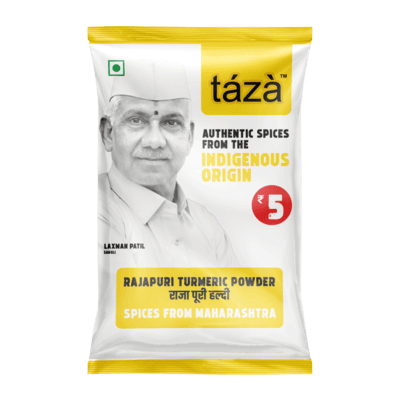
Rajapuri Turmeric
The “Golden Gem” of Maharashtra
Rajapuri Turmeric, renowned for its high curcumin content and superior quality, is produced in the Rajapuri region of Maharashtra, India. The region’s fertile soil and suitable climate yield turmeric with a distinctive bright golden orange color and strong aroma.
Origin
Rajapuri Turmeric is a treasure trove of health benefits, making it a sought-after spice in the culinary and medicinal world. Its unique combination of flavor, aroma, and nutritional properties makes it an excellent addition to various dishes and traditional remedies.
Crop Cycle
Sowing: May-June
Harvesting: February-March
Crop Cycle: Approximately 8-9 months
Ideal Growing Conditions
Thrives in warm, humid, tropical climates
- Ideal temperature: 20-30°C
- Annual rainfall: 1500mm
Nutritional Benefits
- Potent anti-inflammatory and antioxidant properties
- Potential cognitive enhancement
- Digestive support
- May play a role in preventing long-term diseases
Uses
Culinary: Adds flavor and color to curries, stews, and soups
Medicinal: Used in traditional remedies for various health issues
Skincare: Used in face masks and creams for its antioxidant properties
Food preservation: Used as a natural preservative due to its antimicrobial properties
Ayurveda and Unani medicine: Used to treat various ailments
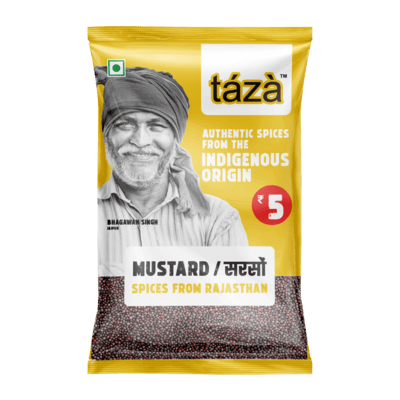
Mustard Seed
The “Tiny & Mighty” Rajasthani Mustard Seed.
With their unique flavor and numerous health benefits, mustard seeds are a valuable addition to any kitchen or medicine cabinet.
Origin
Rajasthan’s climate and soil conditions make it an ideal location for mustard seed cultivation, particularly during the Rabi season.
Crop Cycle
Planting: Rabi season (October-December)
Harvesting: February to March
Ideal Growing Conditions
Temperature: 10°C to 25°C
- Rainfall: 625 to 1000 mm annually
- Season: Cooler, drier Rabi season (October-March)
Nutritional Benefits
- Aiding digestion
- Boosting metabolism
- Supporting heart health
- Providing antioxidants
- Rich in essential nutrients like fiber, selenium, and magnesium
Uses
Mustard seeds are a versatile spice used in various ways:
Culinary applications: Adds flavor to curries, sauces, and marinades, Pickens.
Traditional medicine: Used to treat various ailments, including digestive issues and respiratory problems.
Condiment: Used to make mustard sauce, a popular condiment in many cuisines.
Our Commitment to Quality





Our mission is simple: to provide the freshest, highest-quality spices that not only delight our customers taste buds but also partner with people who bring our spices to life in their kitchens.